
First Response, Not Last Resort (Prayer)

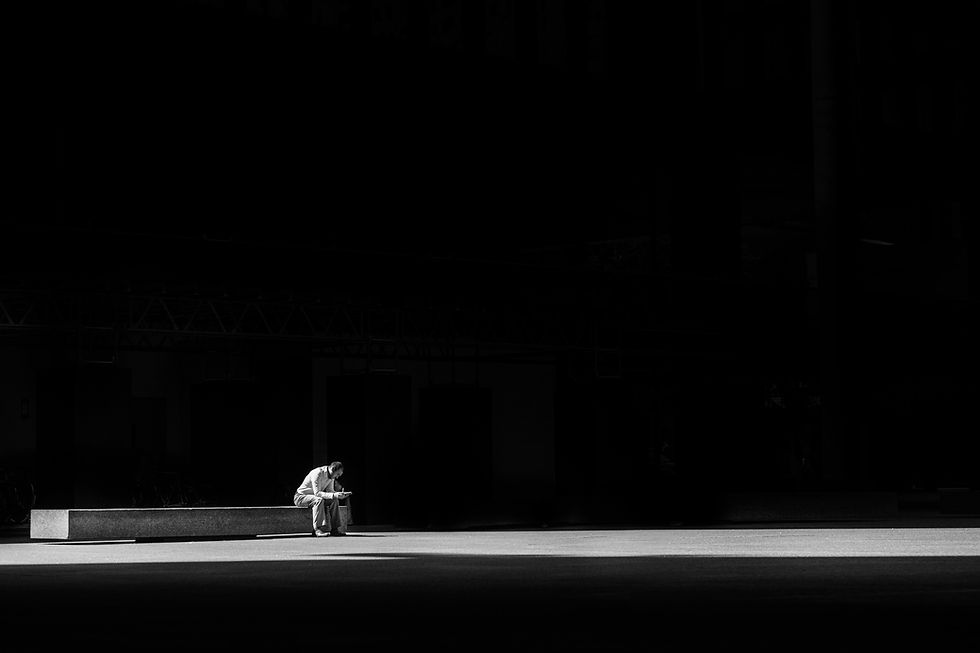
Prayer is often treated like a spare tire - important, but only reached for when everything else has failed. When solutions run out, energy is gone, and control slips through our fingers, then we pray. Scripture, however, calls us to something far more ordinary. Prayer is not an emergency measure for desperate moments; it is meant to be the daily posture of a dependent people before a sufficient God.
From the beginning of the biblical story, prayer is woven into the life of God’s people. Abraham called on the name of the Lord. Moses cried out in the wilderness. David prayed honestly in both triumph and despair. Most strikingly, Jesus Himself lived a life marked by continual communion with the Father. Before choosing the Twelve, He prayed all night (Luke 6:12). In moments of exhaustion, He withdrew to pray (Mark 1:35). On the eve of the cross, He prayed in agony, entrusting Himself fully to the Father’s will (Luke 22:41–44). If the sinless Son of God depended on prayer, it cannot be optional for those who follow Him.
Why We Drift into Prayer Apathy
Our reluctance to pray is rarely rooted in open rebellion. More often, it grows quietly from subtle shifts in the heart.
First, self-sufficiency dulls our sense of need. When life feels manageable, prayer can seem unnecessary. Moses warned Israel about this very danger - forgetting the Lord when strength and success increase (Deut. 8:17–18). We may affirm dependence theologically while functionally living as though we can handle things on our own.
Second, disappointment and delay can discourage prayer. When cries seem unanswered or hope feels deferred, silence can be misread as absence (Ps. 13:1). Over time, we stop asking—not because we stop believing, but because we grow weary.
Third, distraction erodes prayer. Our lives are loud and hurried, leaving little room for stillness. Yet Jesus consistently withdrew from the crowds to be alone with the Father. Prayer requires unhurried presence, something our culture actively resists.
Finally, many of us suffer from a misunderstanding of prayer itself. When prayer is treated primarily as a way to get outcomes rather than a means of knowing God, it will inevitably feel ineffective. Jesus warned against empty repetition and re-centered prayer on trust in a Father who already knows our needs (Matt. 6:7–8).
God’s Invitation Back to the Throne
Scripture does not scold us into prayer; it invites us back. “Draw near to God, and He will draw near to you” (James 4:8). Prayer is not about persuading a reluctant God to act but about aligning dependent hearts with a gracious Father.
Hebrews reminds us that we approach God not timidly, but confidently because Christ has already opened the way. We come to the throne of grace not on the basis of our consistency, clarity, or passion, but on the sufficiency of Jesus (Heb. 4:16). Prayer is rooted in the gospel: access secured, relationship restored, mercy readily given.
Practicing Prayer as a First Response
Reordering prayer in our lives rarely begins with intensity; it begins with intention.
Anchor prayer to rhythm rather than mood. Jesus prayed early in the morning, before demands crowded the day (Mark 1:35). A consistent time, even a brief one, trains the heart toward dependence.
Let Scripture shape your prayers. Praying God’s Word gives us language when our own feels thin and keeps our prayers anchored in truth rather than emotion (Ps. 119; Eph. 1:15–23).
Begin with surrender before request. Jesus taught His disciples to pray, “Your will be done” before daily needs were mentioned (Matt. 6:10). Prayer reshapes us before it changes our circumstances.
Practice short, honest prayers throughout the day. Dependence does not require eloquence - only trust. Nehemiah’s brief prayer in a moment of pressure reminds us that prayer can be both constant and simple (Neh. 2:4).
Finally, pray with others. The early church devoted themselves to prayer together, not merely as a private discipline but as a communal way of life (Acts 2:42). Shared prayer strengthens faith and keeps us from carrying burdens alone.
A Posture of Dependence
Prayer becomes our first response when we remember who we are and who God is. We are needy. He is sufficient. We are finite. He is faithful. When prayer moves from a last resort to a daily posture, it reshapes our lives, not by giving us control, but by teaching us to trust the One who already reigns.
The invitation still stands: draw near. Not when everything else fails - but first.


Comments